What do you need to know about mocks? A guide for students and parents
Mock exams - they might not carry the same weight as the real thing, but for students in the UK, they play a crucial role in preparing for GCSEs and A-Levels!
If you’re one of the many students (and parents) wondering “how important are mocks really, and how should they be approached?”
…then keep reading because in this blog, we’ll break down what you need to know about mock exams - from why schools set them, to how students can make the most of the experience, and how parents can provide support.
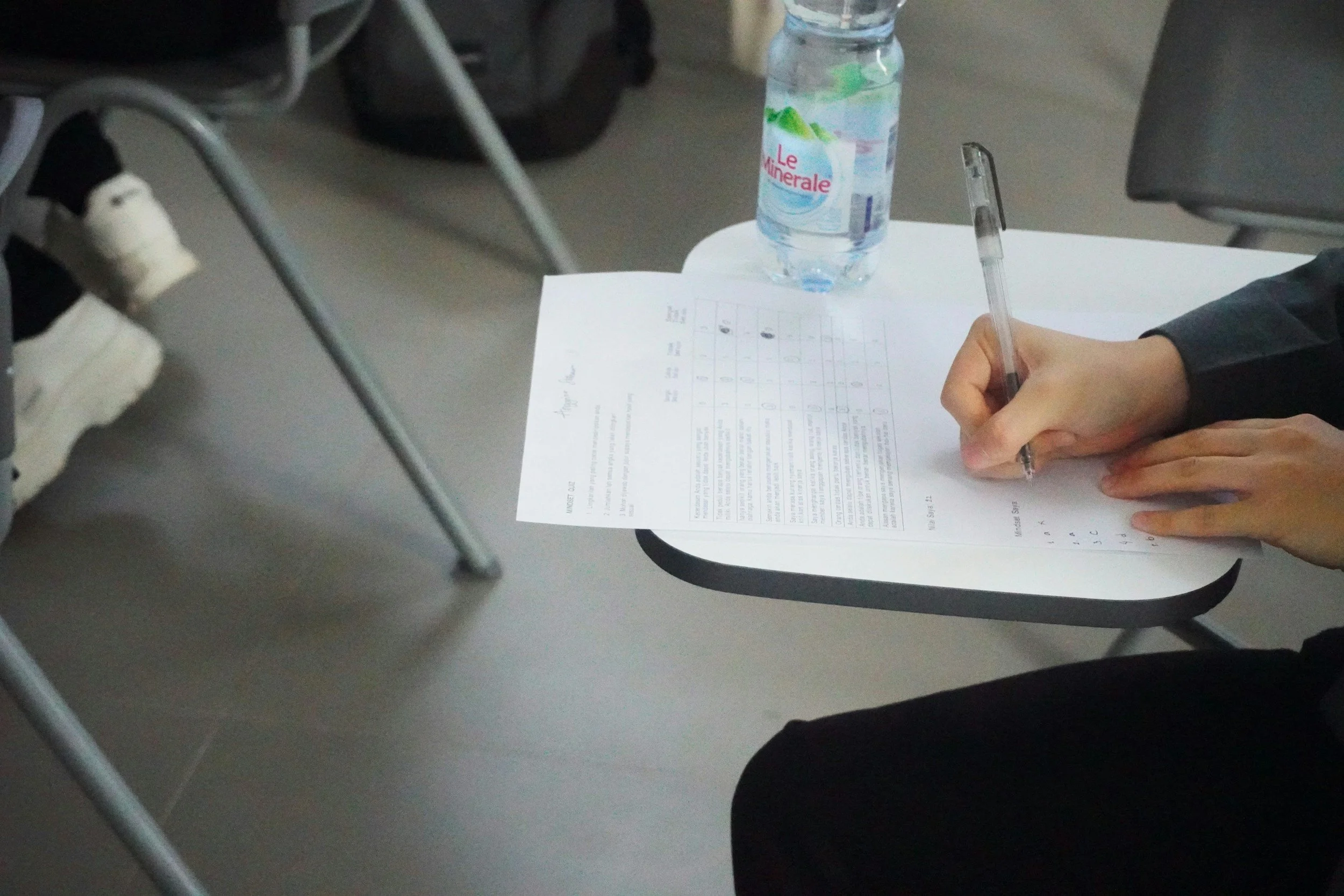
Why do schools use mock exams?
Mocks aren’t only practice papers. They serve several important purposes:
Experience under exam conditions
Mocks give students a taste of what the real exam will feel like. Sitting in silence, managing time, and working without notes are skills in themselves!Assessment of progress
Teachers use mocks to see where students are academically. The results highlight strengths and flag areas that need improvement before the real exams.Predicted grades
For GCSE and A-Level students, mock results can influence predicted grades. These are important for sixth form, college, or university applications.Building confidence
Even if results aren’t perfect, mocks help students understand that exams are manageable with the right preparation.
For students: How to approach your mocks
Think of mocks as your dress rehearsal - they’re a chance to practise, learn, and improve before exams start.
Prepare properly: Treat them like the real thing. Create a revision timetable, use past papers, and practise exam techniques.
Don’t panic about results: If they don’t go well, that’s okay. The point is to identify weaknesses now, while there’s still time to improve.
Reflect and act: After mocks, go through papers carefully. What kinds of mistakes did you make - are there content gaps, timing issues, exam nerves? Each one points to what you can work on.
Use feedback wisely: Teachers will often go through mock papers in detail. This is your chance to ask questions and sharpen your understanding.
For parents: How to support your teen through mocks
Parents can make a big difference during mock season by providing encouragement and structure:
Set the tone: Remind your child that mocks are practice, not the final word. Results are there to guide, not define, them.
Help with planning: Encourage your child to set up a realistic revision timetable. Offer support, whether that’s helping them organise their notes or creating a quiet study space.
Balance support with space: Check in regularly but avoid adding pressure. Sometimes, just knowing you’re there to listen is enough.
Look at results constructively: If mocks don’t go as hoped, focus on the next steps. What can be improved? What support might be needed - extra resources, tutoring, or new revision strategies?
Mocks are not the be all and end all, but they are a powerful tool. They highlight strengths, reveal weaknesses, and provide valuable exam experience. For students, they’re an opportunity to practise and improve and for parents, they’re a chance to offer steady encouragement and help build confidence.
For help preparing for your mocks, speak to us today!